Priests and brothers
Men may enter the male Order as candidates for priesthood or as religious brothers. Formation includes postulancy, novitiate, temporary profession, a year of preparation, and solemn profession.
Vocations
The Trinitarian Family has distinct paths for men called to the religious life, women called to contemplative or apostolic life, and lay people called to the Third Order. They share one charism, not one canonical status.
Men may enter the male Order as candidates for priesthood or as religious brothers. Formation includes postulancy, novitiate, temporary profession, a year of preparation, and solemn profession.
Women called to a cloistered, wholly contemplative life may inquire with the Trinitarian nuns. Their monasteries are present in Spain, Peru, Chile, Ecuador, Guatemala, and Madagascar.
The Trinitarian sisters serve in education, health care, missions, parish work, and social projects. Each congregation has its own formation and admission process.
Lay people and families may join the Third Order, living the Trinitarian charism in ordinary life under The Trinitarian Way. The old confraternities are described on the Family page.
The U.S. Province describes a gradual process of discernment and formation. The outline below follows its published description; exact lengths and requirements are set by the Order’s Constitutions and the province.
The majority of the Order’s members serve as priests, while brothers share fully in the same religious consecration and mission.
Lay Trinitarians are not members of the male Order, but they belong to the wider Trinitarian Family. Through baptism they share in Christ’s mission; through the Third Order they make a special consecration to the Most Holy Trinity and live the Gospel in family, work, and society.
Admission normally follows a period of formation and discernment. The candidate is received into the Order’s habit and scapular and makes a promise to live according to The Trinitarian Way. The exact stages are set by the Third Order’s own statutes and the local group.
The Trinitarian Way is the English handbook of the lay rule of life approved by the Holy See in 2000. It sets out the daily Trisagion, the Order’s feast days, and a pattern of prayer, charity, and mercy. The 2010 edition is the English text cited on this site.
The Third Order is organized in local groups and is supported by the U.S. Province. Inquiries can be made through the national Third Order office in Miami or through the Province.
The small Trinitarian scapular is a devotional badge. It is not the same as admission to the Third Order. See Confraternities of the Most Holy Trinity.
No. The Order is the male religious institute of priests and brothers. The Family also includes nuns, sister congregations, secular institutes, hermitesses, and lay Trinitarians. See The Trinitarian Family.
No. The Order has religious brothers who profess the same vows and share the same mission without ordination. The U.S. Province forms both priests and brothers.
Women are not admitted to the male Order. They may be called to the contemplative Trinitarian nuns, to one of the Trinitarian sister congregations, or to the lay Third Order.
Yes, through the lay Third Order. Married members live the Trinitarian charism in their family and parish life.
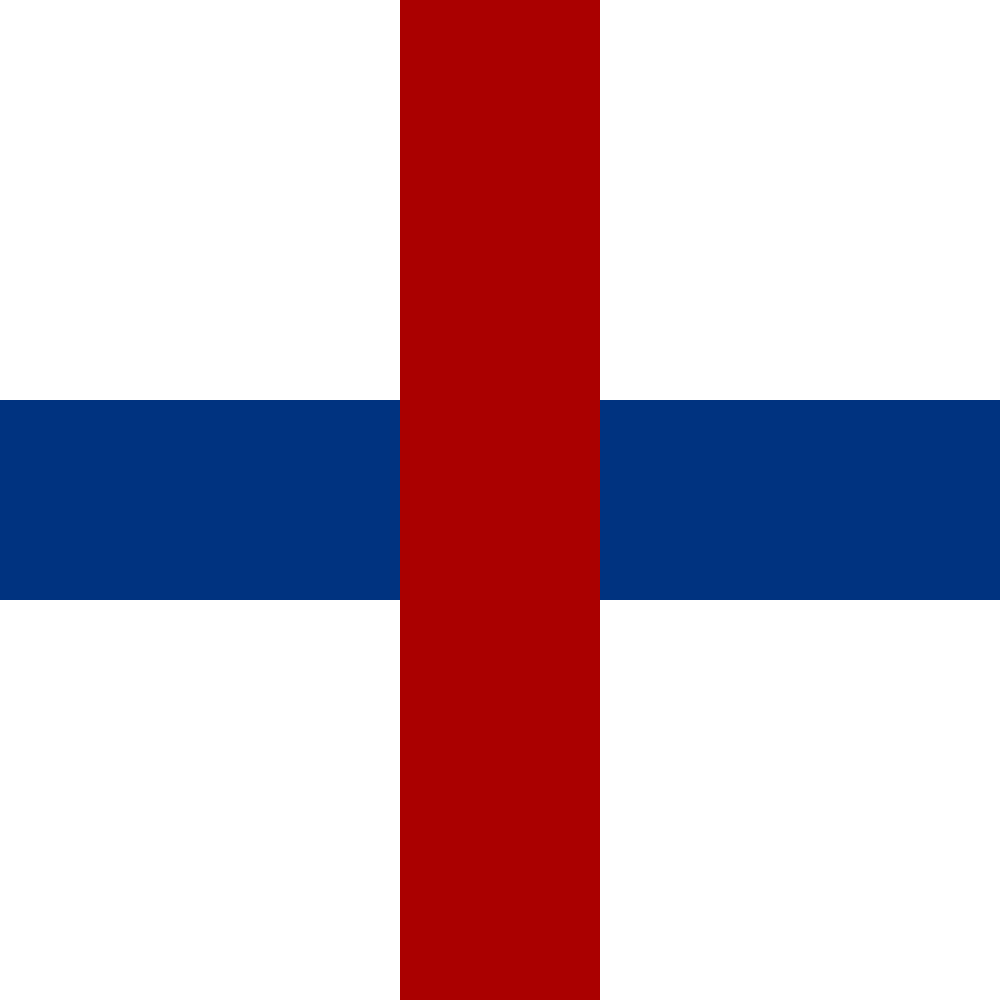
No. The small white scapular with the red and blue cross was the badge of the Confraternity of the Most Holy Trinity. A priest with faculty could enroll a member and invest him or her with it. The Third Order is a distinct body: candidates undertake formation and make a promise, and tertiaries are admitted to the Order’s habit and scapular. Wearing the small scapular, including as one of the fivefold scapular, is a devotional practice and does not by itself make someone a tertiary.
The old confraternities declined with the suppressions and confiscations of the late eighteenth and nineteenth centuries. The 1983 Code of Canon Law no longer treats “confraternity” as a separate canonical category, and the Order’s current account of the Family does not list a separate confraternity branch. In Spain many local confraternities survived as penitential hermandades. See Confraternities of the Most Holy Trinity.
For the male Order, the process normally includes a year of postulancy, a year of novitiate, several years of temporary profession, a year of preparation, and solemn profession. The exact schedule is discerned with the province.
Vocations are discerned with the Church and with the community, not alone. Start a conversation with the U.S. Province or the Third Order.
Religious vocations →Items marked Secondary are academic or reference works, not official publications of the Order. Official texts are normative where they differ.